
Start › Land & People: Uganda Country Information › Uganda’s History and Politics: A Steep Rise › Age of the Kingdoms in Uganda
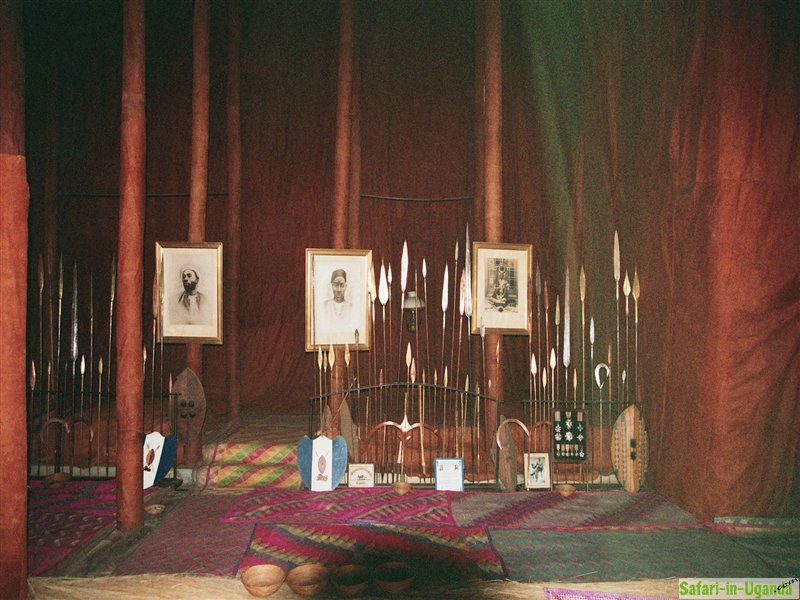 From the 13th century until the end of the 19th century, Uganda experienced the age of the kingdoms, when the widespread clans joined together to defend their territories and to open up new regions. The largest and best-known kingdoms were Bunyoro-Kitara and Buganda in the southern and western parts of the country, the Ancholi Kingdom in the north and the Busoga Kingdom in the east.
The Bunyoro-Kitara kingdom was not only the first, but for a long time also the largest kingdom in present-day Uganda. The tradition of the kingdoms still holds a high status in Uganda’s history, and the former rulers and kings hold a firm place within it.
Uganda’s isolated inland location meant that contacts with other peoples developed relatively late. Trade was only conducted towards the end of the 18th century with peoples from the north of Tanzania. In the mid-19th century, Arabs also established fixed trade routes. And it was along those very routes that the first European explorers, adventurers and missionaries found their way into present-day Uganda and heralded the colonial era.
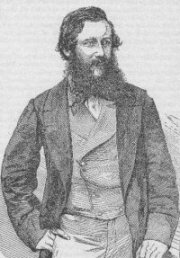 By the way: Uganda very nearly became part of present-day Egypt. For the Greater Egyptian empire wanted to annex the entire region around the sources of the Nile. After John Speke discovered Lake Victoria as the origin of the Nile, Samuel Baker was, as Governor-General in 1871, to establish the state of “Equatoria”. However, the ruling Ugandan kings resisted bravely, and so the last Egyptian troops had to leave the region in 1889 .
During this time the new religions also arrived in Uganda in the form of Catholic and Protestant missionaries (mainly French and British). From the outset these were in competition with Islam. Today the faiths are divided into 40 % Catholics, 26 % Protestants and around 5-10 % Islam, while the remainder is accounted for by traditional religions.
Further links
- Who was John Speke?
- Who was Samuel White Baker?