
Start › Mountain Gorillas & More › The Cities in Uganda › Jinja in Uganda: The Second Economic Centre
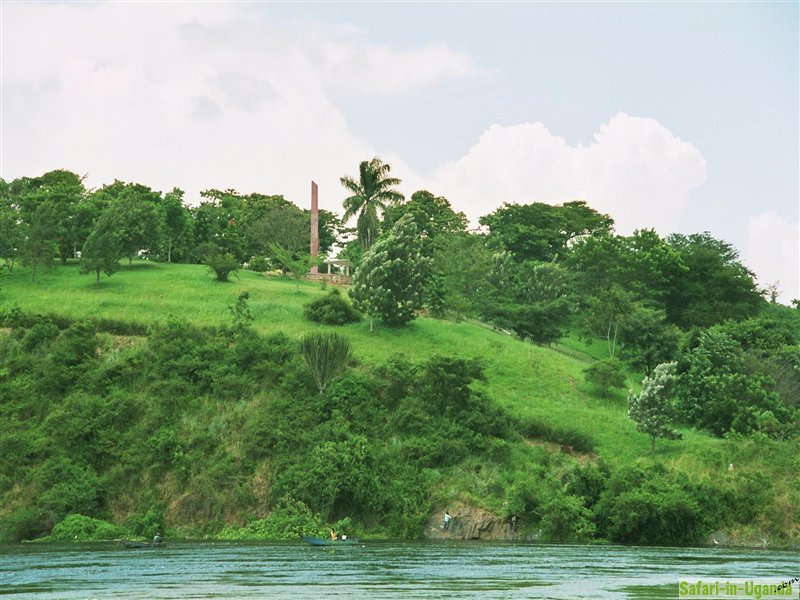 After Kampala, Jinja is one of the largest cities in Uganda. Situated at an altitude of 1,143 m, the climate in Jinja , thanks to its direct location on the shore of Lake Victoria, is similarly warm and humid as in Entebbe. Today around 280,000 people live in Jinja (2024 census).
The town became world-famous at the end of the 19th century. The outflow of the Nile from Lake Victoria was for a long time regarded as its source following its discovery in 1862 by the British explorer John Speke. However, as is known today, this lies in the mountains of the East African Rift Valley in Burundi and Rwanda. Nevertheless, for Ugandans Lake Victoria is still the source of the Nile and a unique sight.
The name derives from the Luganda word “ejjinja” and means “stone”. The first settlement here stood on just such a rock. A favourable climate, fertile soil and waters rich in fish have been and still are the reasons for Jinja’s great economic importance.
The official founding of the town is dated to the year 1900 when a settlement was founded on this spot during the construction of a telegraph line across the Nile. The establishment of steamer and ferry connections on Lake Victoria to the Kenyan port city of Kisumu soon connected Jinja with the global trade routes. For Kisumu was linked by railway with Mombasa on the Indian Ocean . This favourable location, alongside its natural setting, formed a further basis for Jinja’s rise to a trade and economic centre. Agricultural goods (sugar, cotton, timber) and the iron industry are still of the greatest importance here.
Further links
- Hotels and accommodation in Jinja
- More pictures from Jinja, Uganda
- Background information on the British explorer John Speke
- Background information on the sources of the Nile
Some attractions
 Boat trips and rafting
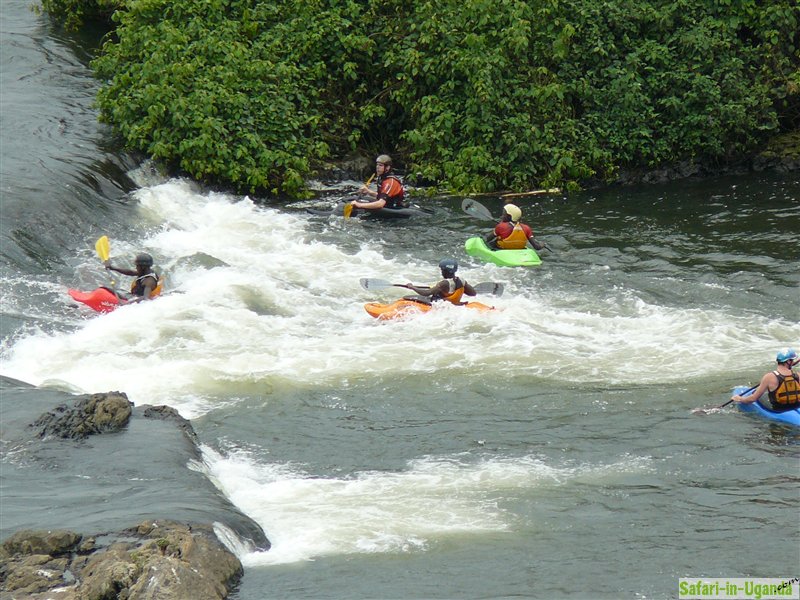
Whether rafting, canoe or ordinary boat: Lake Victoria and the Nile offer several options. You can hire boats on site, explore the shore or, for example, cross over to Samuka Island.
Further links
- Well-known rafting operators with many years of experience are Adrift, Nile River Explorers (Raft Africa) and Nalubale Rafting.
 Bujagali Falls
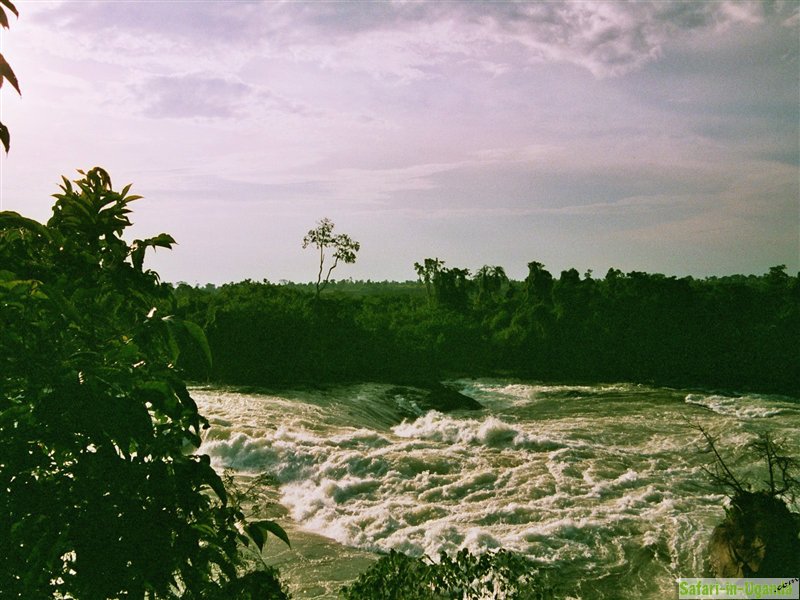
The rapids of the Bujagali Falls had disappeared by 2012 beneath the reservoir of the Bujagali power station of the same name (250 MW). With the Isimba power station , which came into operation in 2019, further rapids disappeared downstream – the white-water stretch is therefore shorter than before. Rafting, however, is still possible all year round: the tours start below the Bujagali dam and end in the area of the Kalagala and Itanda Falls; Jinja is still regarded as one of the best rafting destinations in Africa.
Further links
- Pictures of the Bujagali Falls can be found in the Jinja picture gallery.
 Mabira Forest
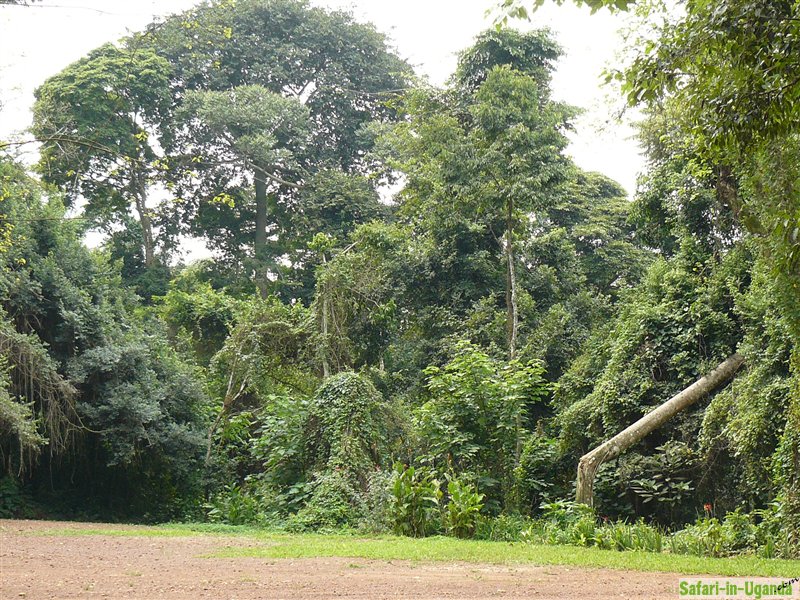
About 20 kilometres in the direction of Kampala lies the 30,000-hectare Mabira Forest. Protected as a reserve, the natural rainforest is home to rare animal and plant species. Plans to clear part of the forest for sugar-cane plantations were stopped in 2007 after widespread protests.
Further links
 Nile Brewery
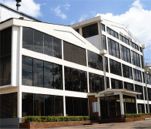
The Nile Breweries plant in Njeru near Jinja still exists; a regular tour offer for visitors could no longer be confirmed recently.
Further links
Owen Falls Dam
Power generation by hydropower: the dam that came into operation in 1954 (today Nalubaale Power Station) caused the upstream rapids Ripon Falls and Owen Falls in the Nile to be submerged and they can no longer be seen today. An impressive structure.
Further links
 Source of the Nile Garden
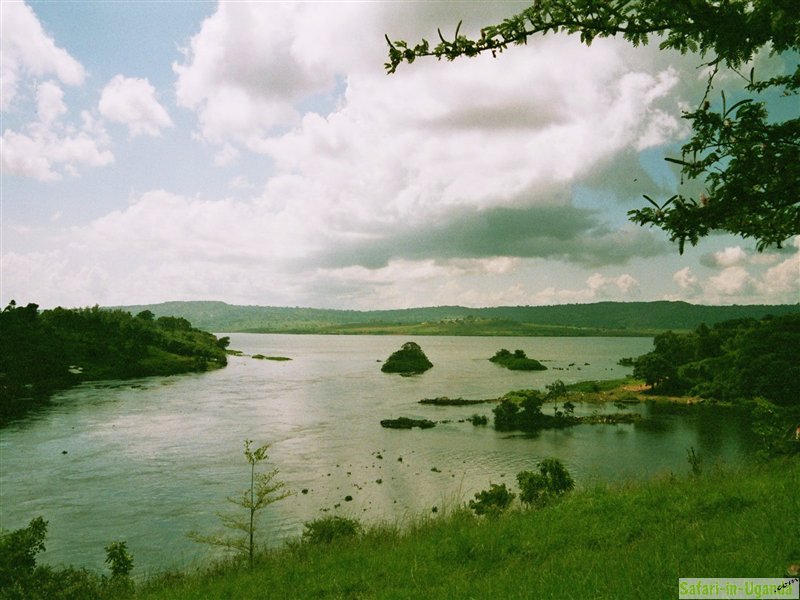
Impossible to miss with the large monument to John Speke. A beautiful spot of land with a view of the Nile sources.
Further links
- Some pictures of the source of the Nile on Lake Victoria can be found in the Jinja picture gallery.
 Town walk
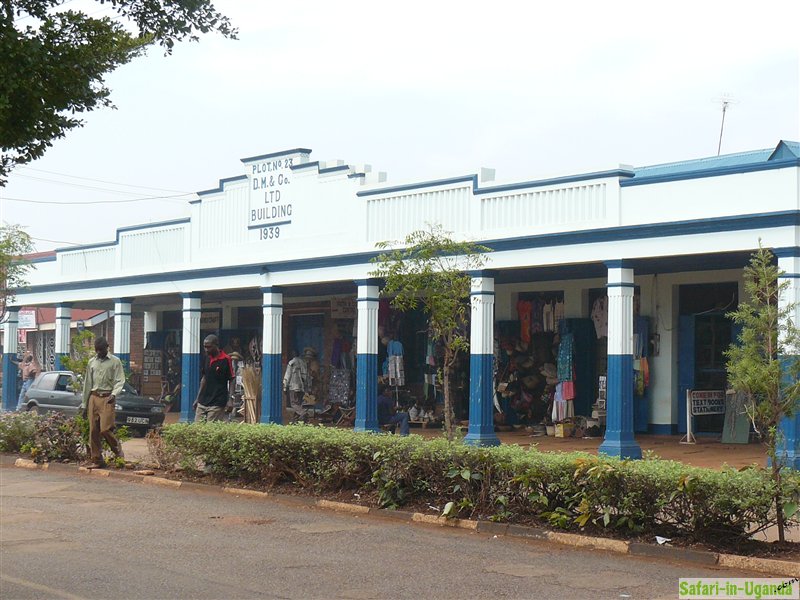
Discover the golf club, sailing club, harbour and some cosy restaurants. Explore Jinja’s centre on foot – armed with a town map.