
Start › Mountain Gorillas & More › The Cities in Uganda › Kampala – One of the Most Beautiful Cities in Africa
Kampala – One of the Most Beautiful Cities in Africa
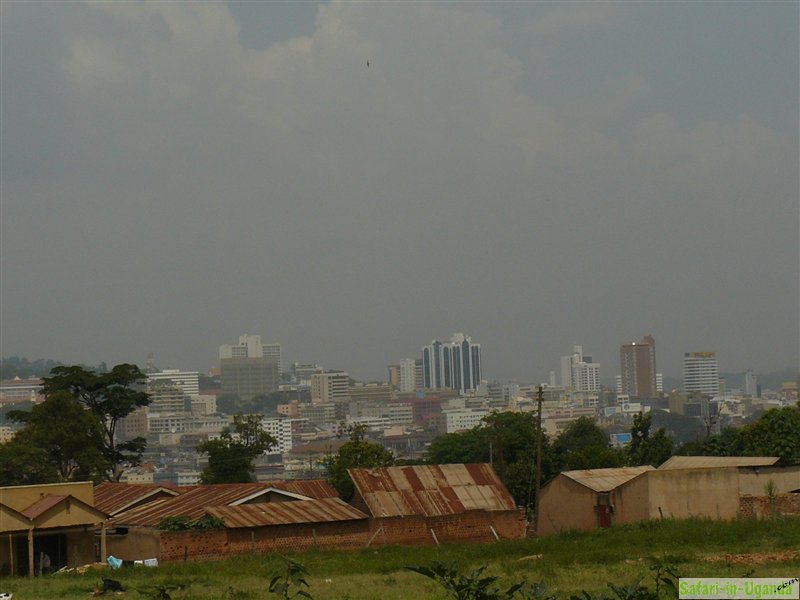 Close to Lake Victoria, Kampala lies at an altitude of 1,155 metres. With around 1.8 million inhabitants (2024 census) and the seat of government, Kampala forms the undisputed centre of Uganda. An impressive skyline, streets with a European flair, friendly people and a vanishingly low crime rate make a visit to the thriving capital a real highlight of your trip to Uganda.
Kampala had its origins in the 19th century, when the Bugandan kings had their seat here on the hills. The name “Kampala” goes back to the British envoy Captain Frederick Lord Lugard. At that time numerous impala antelopes were to be found on the hills. From the Luganda translation for “hill of the impala”, Kasozi ka Impala, the short form “Kampala” developed. This name referred to the hill of today’s Old Kampala, on which Lugard built his fort.
Once established, the fort attracted more and more people. The city grew rapidly and expanded over 7 hills. Today the following are regarded as the origins of historic Kampala: Mulago, Kololo, Kibuli, Rubaga, (Old) Kampala, Namirembe (Mulago), Makerere.
Each of these seven hills was assigned a predominant function: on the hills of Rubaga, Namirembe and Kibuli the central institutions of the three leading religious communities settled (Catholics, Protestants and Muslims). Kololo/Nakasero form the centre for public administration and were the preferred residential areas of its employees. Makerere developed into a university campus and in Mulago health facilities became established. Interestingly, these identities have been preserved to this day.
Capital City 1962
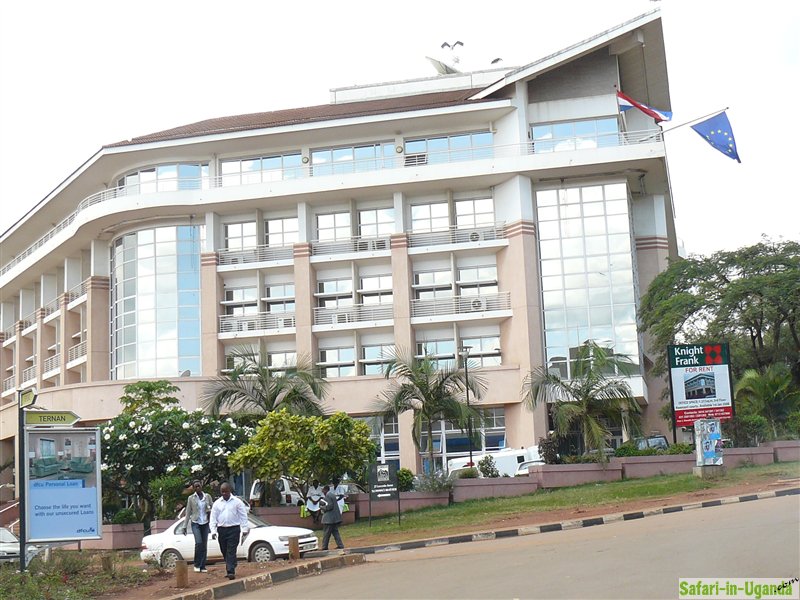 In 1906 Kampala was declared a township under British law and rose to an administrative municipality in 1949. It was not until 1962, however, that it gained official city status. Before that, the British had their administrative seat in Entebbe, and Kampala was only designated the capital of a free Uganda after an election.
In the first decades the city grew steadily, had the best university in East Africa (Makerere University ) and in terms of attractiveness was hardly surpassed by any other African city. During the years of civil war under Obote and Amin, however, Kampala suffered severely. Many buildings were destroyed and the infrastructure collapsed completely.
A Return to Its Former Beauty
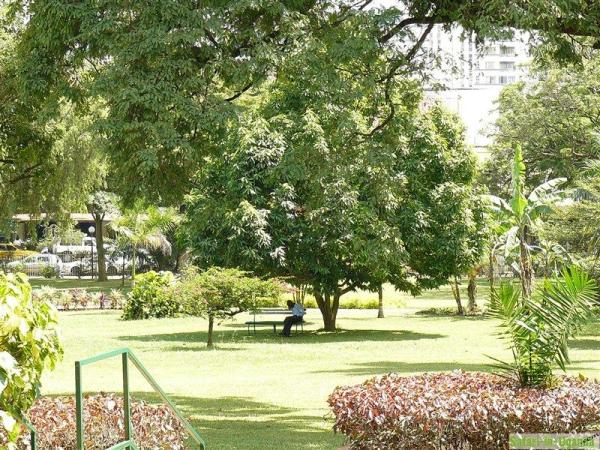 But the city recovered and has enjoyed a renaissance since the beginning of the 1990s. Today it is one of the most modern large cities in Africa and in many places gives a very European impression: many trees and parks, shops and hotels, bars and international restaurants. And Kampala is also one of the safest large cities in Africa.
But its attractiveness also has its downsides, for the population is rising rapidly and the infrastructure is reaching its limits. This applies in particular to the roads, which were originally designed for only a third of today’s people. At peak times the traffic therefore almost always breaks down.
Kampala and its surroundings, with numerous sights, invite you to city walks and day trips.
Further Links
- Who was Captain Frederick Lord Lugard
- Background information on Makerere University
- The website of Makerere University
- Who was Milton Obote?
- Who was Idi Amin?
- Hotels and accommodation in Kampala
Some Sights
 Bahai Temple
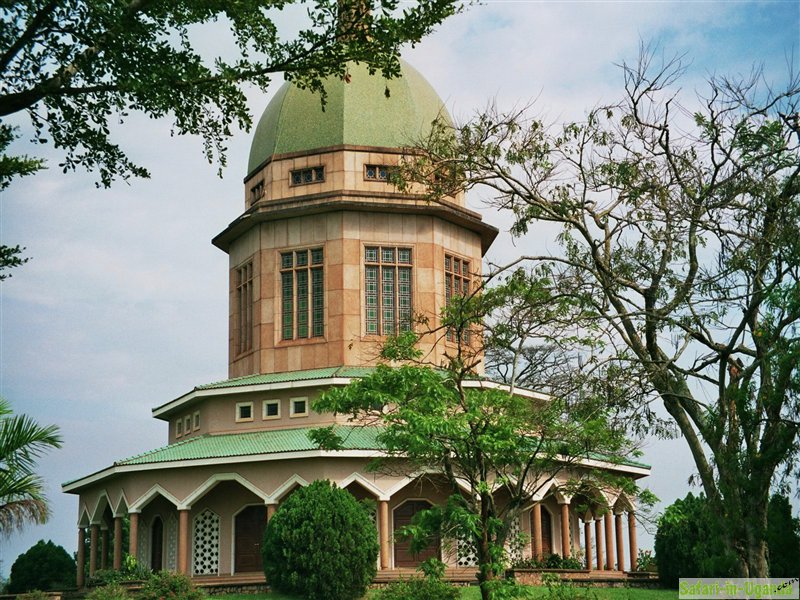
The only temple of this religious community in the whole of Africa. A beautiful, quiet spot with a fantastic view over the city.
Further Links
- More information on the Bahai religion
 Kasubi Tombs
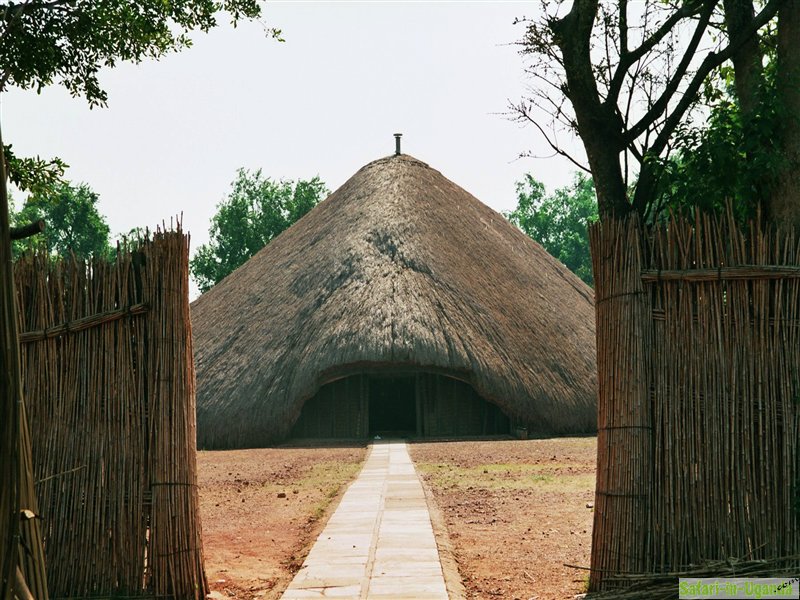
Royal tombs of the Buganda kings Mutesa I., Mwanga II., Daudi Chwa II. and Mutesa II. in a huge tent built of wood and thatch. UNESCO World Heritage Site.
Update: A fire destroyed the main building of the Kasubi Tombs on 16 March 2010. The tombs were rebuilt and reopened in 2026 after 16 years; UNESCO had already removed the site from the List of World Heritage in Danger in September 2023. Its status as a UNESCO World Heritage Site was maintained throughout.
Further Links
- More information on the Kasubi Tombs
- Website about the Kasubi Tombs
- Fire in the Kasubi Tombs on spiegel.de
 Kibuli Hill
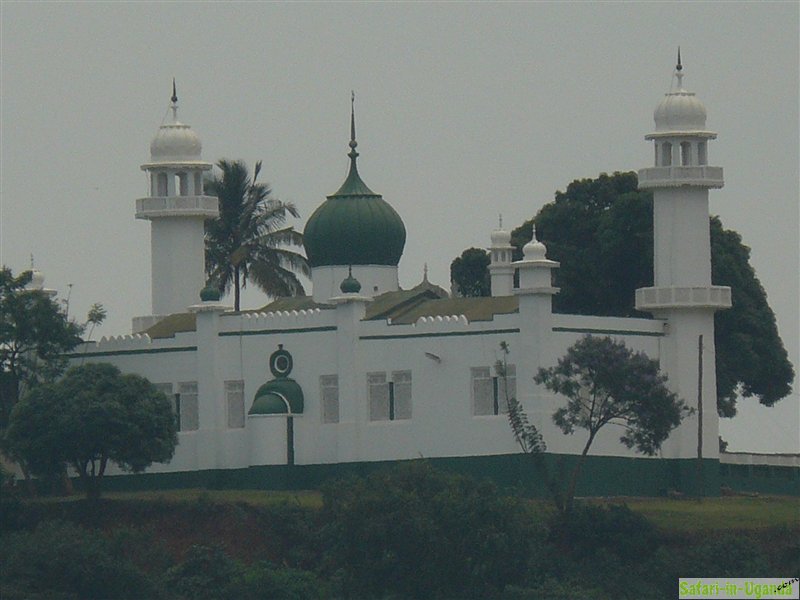
Islamic mosque whose minaret offers a fabulous view over Kampala. One of the largest Islamic places of worship in Uganda.
Nakasero Hill, All Saints Cathedral
Cathedral of the Anglican Church
Further Links
- To the website of All Saints Cathedral
 Nakasero Market
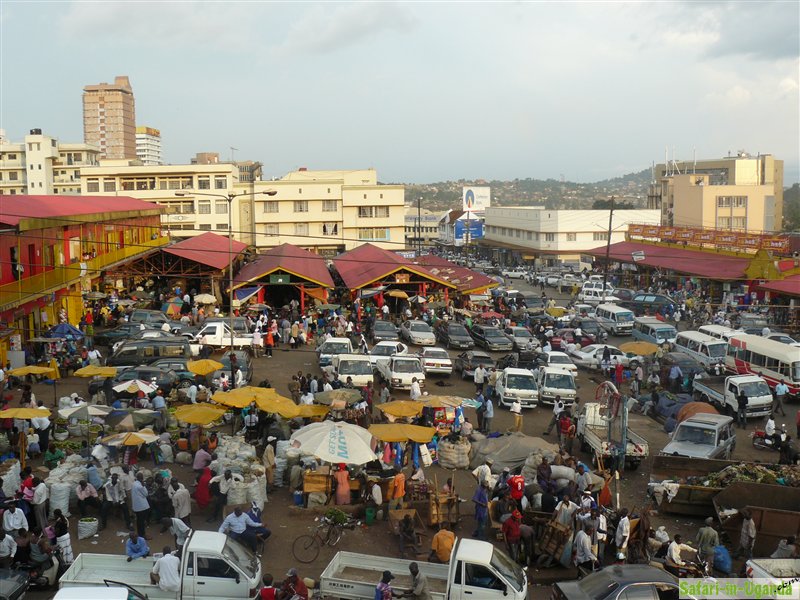
The largest city market in Kampala, where mainly African foods and products of all kinds are sold. A stroll through the narrow alleys is exhausting but very rewarding.
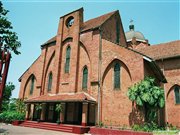 Namirembe Cathedral
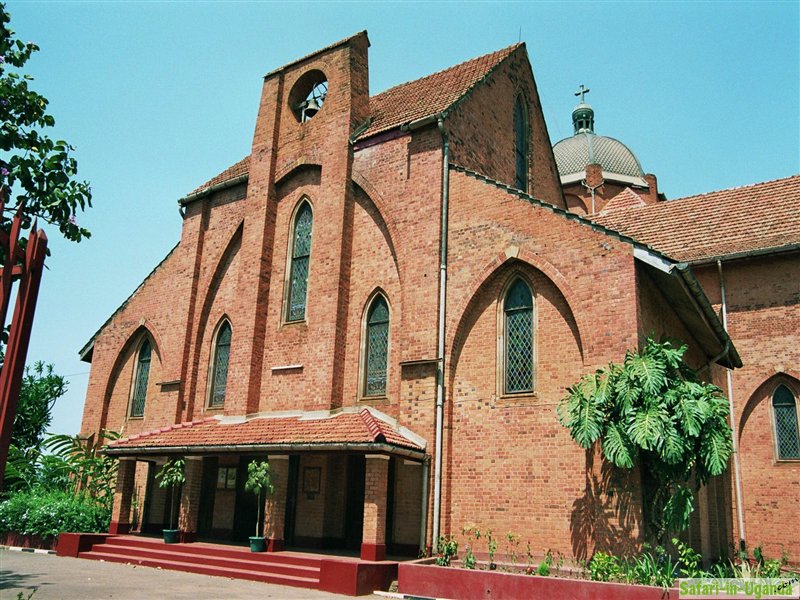
Also known as St Paul’s Cathedral: Uganda’s oldest Anglican cathedral. The first church was built in 1890; the present building was constructed between 1915 and 1919.
 Namugongo, Martyrs’ Shrine
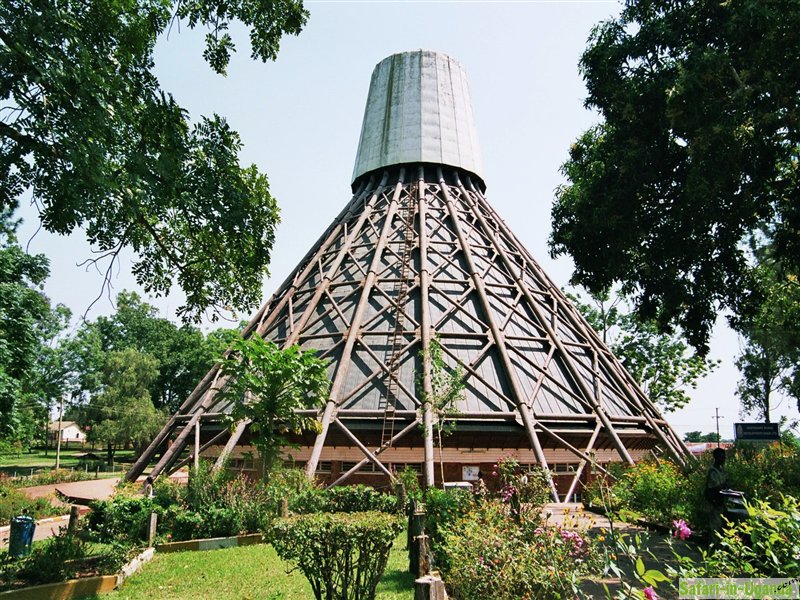
Martyrs’ Shrine – like the Kasubi Tombs, a structure of great cultural and historical significance for the Baganda. The memorial commemorates a massacre in 1886 of a group of around 20 people who had converted to Christianity. It is the focus of an annual commemoration on 3 June.
Further Links
 National Museum
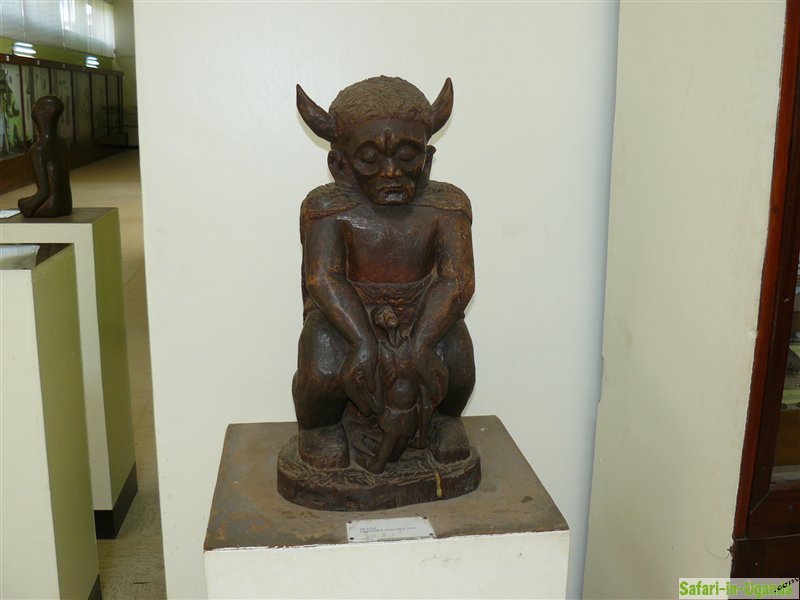
The Uganda Museum, founded in 1908 (on Kitante Hill since 1954), is regarded as the oldest museum in East Africa: exhibits on the geography, culture and history of the country.
Further Links
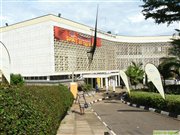 National Theatre
A rich programme ranging from modern to traditional theatre, concerts, dance ensembles.
 Ndere Troupe
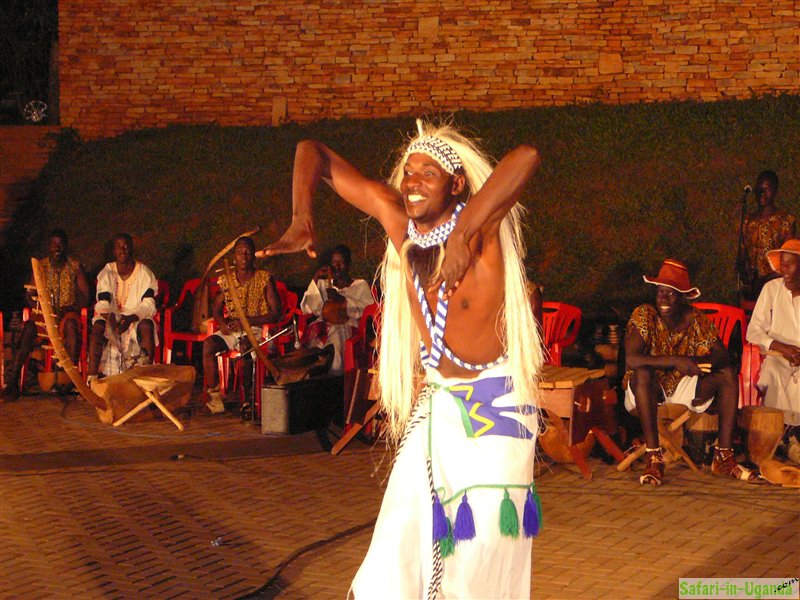
A dance and music group known far beyond the African continent, whose members come from numerous Ugandan ethnic groups. The dance and music programme is correspondingly varied. A must-see!
Further Links
 Old Taxi Park
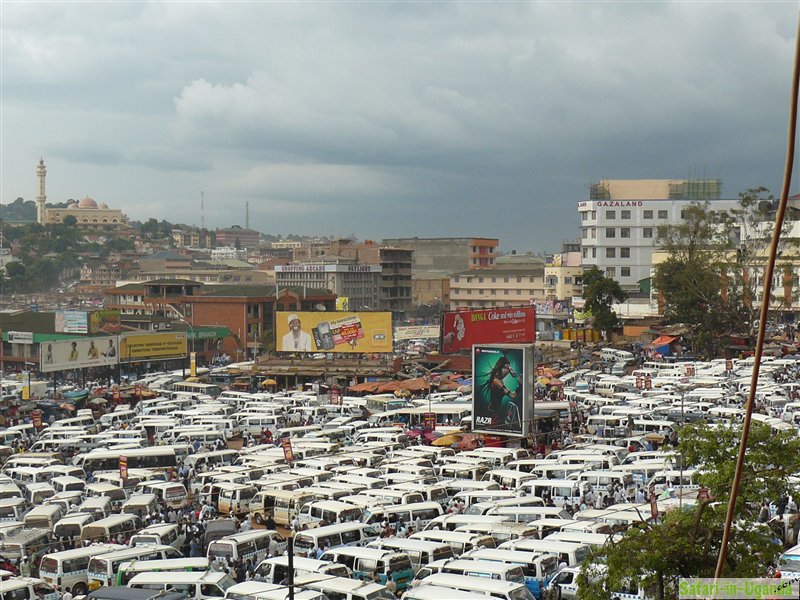
The central assembly point of the minibuses: like an anthill, African everyday life pulsates here.
 Bugandan Parliament Building
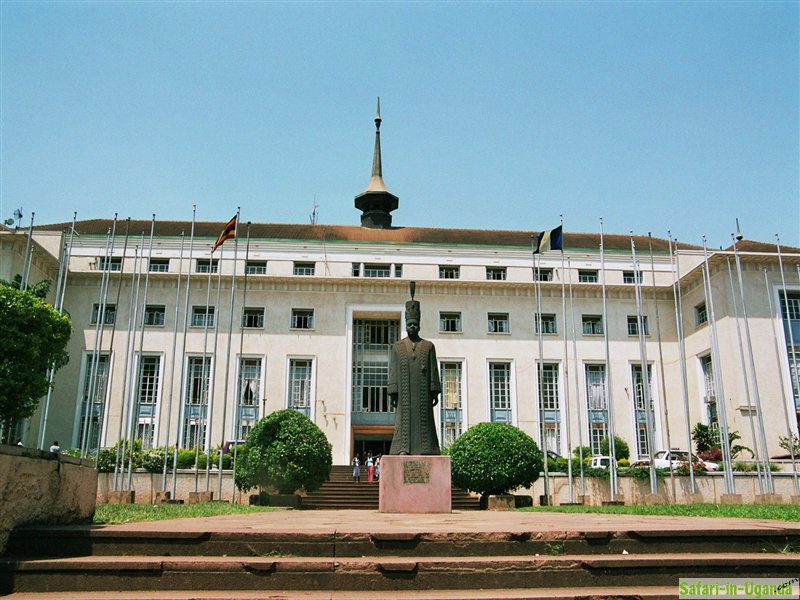
A meeting building erected during the colonial era, which serves the Bugandan parliament as a venue. Officially the building is not open to tourists. But the very friendly gatekeeper turns a blind eye and then guides you competently through the building. Sometimes you may even enter the parliament’s debating chamber.
Further Links
 Rubaga Cathedral
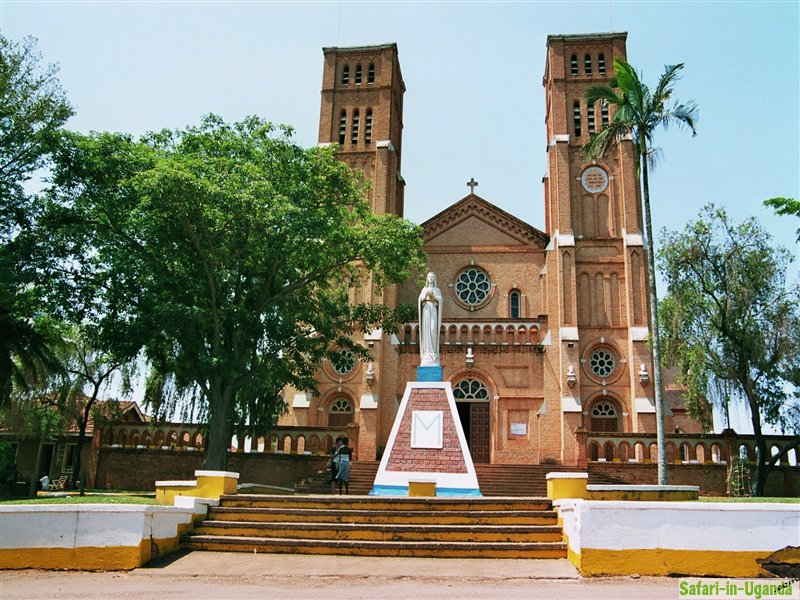
Catholic cathedral which Pope John Paul II already visited.